

By Angelo Coralini, Doctors Cyprus · Sources checked 1 September 2026.
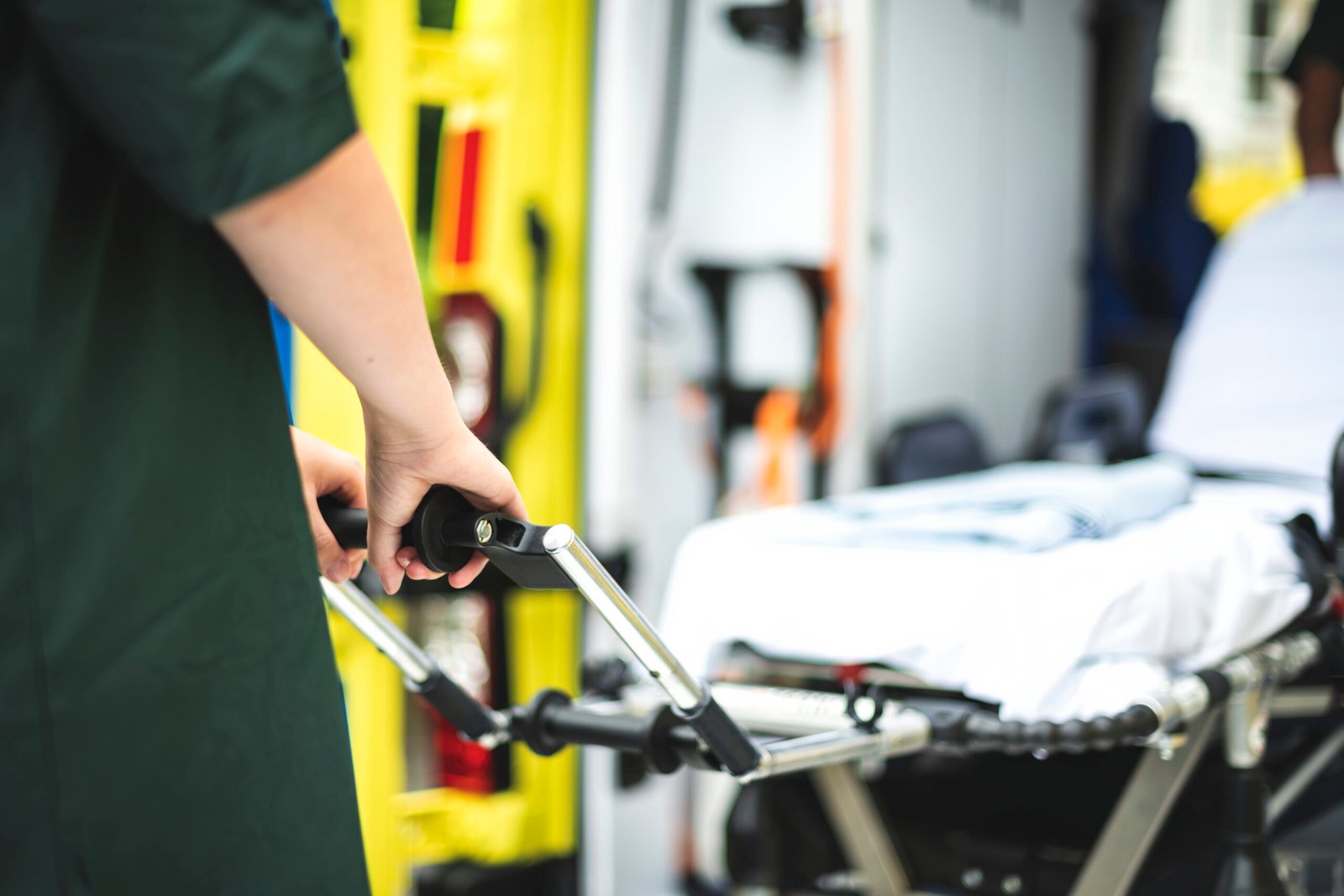
Call 112 in Cyprus when someone needs an ambulance, police or fire service because of a serious or potentially life-threatening emergency. The European emergency number is free to call, and Cyprus Civil Defence states that operators can communicate in Greek and English.
For urgent hospital assessment, Accident and Emergency departments operate around the clock. Routine problems, repeat prescriptions and stable symptoms are usually better handled by an appropriate doctor or pharmacy, keeping A&E available for emergencies.
When should you call 112 in Cyprus?
Call 112 when immediate emergency help is needed. Official Cyprus guidance gives serious accidents, fire and sudden severe illness as examples. The State Health Services Organisation says A&E treats emergencies that may be life-threatening, including loss of consciousness, sudden confusion, sudden visual change and chest pain or discomfort.
If you call, state what happened, where you are, how many people are affected and any immediate danger. Follow the call handler’s instructions. Do not delay an emergency call to search for a clinic online or wait for a routine appointment.
A healthcare directory cannot assess symptoms or replace emergency dispatch. If you are uncertain whether a situation is an emergency, use your judgement and seek immediate professional help where delay could place someone at risk.
What is A&E in Cyprus?
A&E means Accident and Emergency. The State Health Services Organisation says its A&E departments operate 24 hours a day, seven days a week and are equipped for incidents requiring emergency care and acute treatment.
Patients are assessed according to clinical urgency. This means someone who arrived later may be treated first if their condition is more serious. The team may provide immediate treatment, arrange laboratory or imaging tests, observe the patient, admit them or discharge them with further instructions.
Where are the public A&E departments?
SHSO lists A&E departments at seven public hospitals:
- Nicosia General Hospital
- Limassol General Hospital
- Larnaca General Hospital
- Paphos General Hospital
- Ammochostos General Hospital
- Troodos Hospital
- Polis Chrysochous Hospital
Use the official SHSO page for current hospital contact details. You can also browse hospitals in Cyprus, but call 112 rather than navigating a directory during a life-threatening emergency.
Do you need a referral for A&E?
GESY beneficiaries have direct access to A&E for accidents and emergencies. The HIO access guide also lists direct access to ambulance services in emergencies. You do not need to wait for a routine personal-doctor referral before seeking genuine emergency care.
For non-emergency specialist care, the access route is different. Read whether you need a referral to see a specialist in Cyprus.
How much does A&E cost under GESY?
The HIO currently lists a €10 co-payment per visit to a hospital for accident and emergency healthcare services. It lists emergency ambulance access separately. Coverage and charges for people who are not GESY beneficiaries, and for care in private facilities, depend on the provider and the person’s insurance or eligibility.
Do not delay emergency care to settle a pricing question. When the situation is stable, ask the provider what documentation and payment information are required.
Emergency care for visitors to Cyprus
Visitors should carry identification, travel-insurance details and, where applicable, a valid European Health Insurance Card. The Ministry of Health explains that the EHIC provides access to medically necessary public healthcare during a temporary stay on the same terms and at the same cost as an insured person in that country.
The EHIC is not a substitute for travel insurance and does not cover private healthcare or every travel-related expense. Contact your insurer as soon as reasonably possible after urgent care, but never postpone an emergency call while seeking authorisation.
What to use for urgent but non-life-threatening care
Not every same-day health concern requires A&E. Depending on the problem and time of day, suitable options may include your personal doctor, an outpatient specialist, a private clinic or a pharmacy. Contact the provider, describe the situation accurately and ask whether they can assess it or direct you elsewhere.
For routine medicine needs, read how prescriptions and pharmacies work in Cyprus. To compare local providers, browse doctors across Cyprus.
What to take to A&E when possible
- Identification and any GESY, EHIC or insurance details available.
- A current medicine list, allergies and major medical conditions.
- Relevant records or test results, if they are immediately accessible.
- Contact details for a relative or responsible person.
Do not spend time collecting documents when someone needs immediate care. Safety comes first.
Frequently asked questions
Is 112 free in Cyprus?
Yes. Cyprus Civil Defence states that 112 can be called free of charge from mobile phones, fixed lines and public telephones.
Can I speak English when I call 112?
Official Cyprus guidance states that 112 operators can communicate in Greek and English.
Are Cyprus A&E departments open all night?
SHSO states that its public A&E departments operate 24 hours a day, 365 days a year.
Does GESY cover an A&E visit?
GESY beneficiaries have direct access to A&E in emergencies. The HIO currently lists a €10 co-payment for the visit.
Should I use A&E for a repeat prescription?
A stable repeat-prescription request is generally better directed to the prescribing doctor or an appropriate pharmacy. Use A&E for emergencies.
Sources and medical scope
This article provides general system-navigation information. It cannot determine whether an individual situation is an emergency. Information was checked on 1 September 2026.