


By Angelo Coralini, Doctors Cyprus · Updated 4 October 2026.
A useful social media plan for a doctor in Cyprus should help people understand the practice, find reliable information and know how to make contact. It should be realistic for the clinical team to approve and for reception to support. Posting every day is not a requirement for a good plan.
The following 30-day schedule mixes publishing with preparation, review and measurement. Adapt it to the practice’s actual services and languages. It is an editorial framework, not a promise of reach, enquiries or appointments.
Choose four content themes
- Who we are: accurate doctor introductions, qualifications and the team’s roles.
- How the practice works: appointment requests, location, access and preparation.
- Useful education: general explanations approved by the relevant clinician.
- What patients ask: anonymised, general questions that can be answered without discussing someone’s care.
Keep a clear distinction between public education and individual medical advice. A comment or direct message is not an appropriate place to assess an individual’s symptoms. Use the practice’s agreed contact process and urgent-care guidance when relevant.
Week 1: introduce the practice clearly
- Day 1 — Plan: agree the month’s objective, main service and person responsible for approvals.
- Day 2 — Photo post: introduce one doctor with their correct specialty, city and consultation languages.
- Day 3 — Stories: show the entrance and explain where patients should go on arrival.
- Day 4 — Preparation: collect three general questions reception hears frequently.
- Day 5 — Carousel: explain the steps for requesting an appointment and receiving confirmation.
- Day 6 — Review: check the profile biography, address, phone number and website link.
- Day 7 — Replies: answer practical questions within the team’s agreed boundaries.
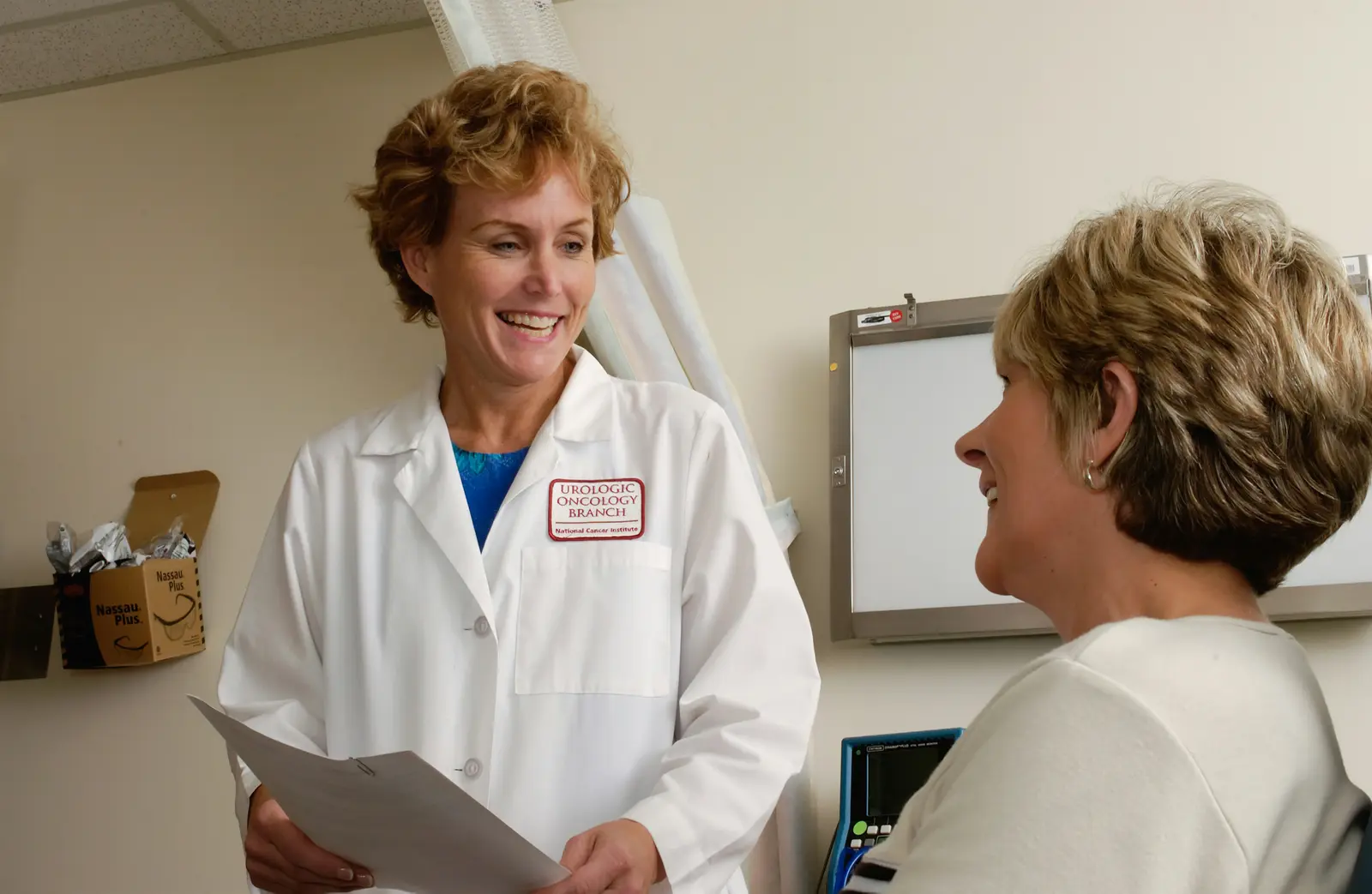
Use real clinic photographs where possible. If a stock photograph illustrates a general topic, do not present the people in it as your own team or patients.
Week 2: remove uncertainty before a visit
- Day 8 — Short video: a clinician explains what a first consultation generally involves.
- Day 9 — Stories: share directions, parking or accessibility details that have been checked.
- Day 10 — Preparation: review the service page that the next post will link to.
- Day 11 — FAQ post: answer a common practical question about referrals or appointment preparation, using current sources.
- Day 12 — Photo post: introduce a receptionist or team member, with their permission and role described accurately.
- Day 13 — Review: check translations, subtitles and spelling of professional names.
- Day 14 — Measurement: note useful questions, website visits and relevant enquiries so far.
Keep each post focused. An appointment-preparation post should help the patient arrive informed; it does not need to list every service in the clinic.
Week 3: explain a service with care
- Day 15 — Carousel: explain one service the practice actually provides, with clinician-approved wording.
- Day 16 — Stories: share an appropriate behind-the-scenes view with no patient information visible.
- Day 17 — Preparation: record two short answers while the clinician is available.
- Day 18 — Educational video: publish one general explanation with readable subtitles.
- Day 19 — Website post: introduce a useful guide and link to its full explanation.
- Day 20 — Review: check that every service claim matches the website and the care available.
- Day 21 — Replies: collect new general questions for next month; keep identifiable patient details out of the content plan.
Avoid dramatic promises or messages that pressure someone into treatment. Useful education can explain the purpose of a consultation, the questions a patient might ask and where to obtain an individual assessment.
Week 4: make the next step clear
- Day 22 — FAQ post: answer the most useful general question from the previous weeks.
- Day 23 — Stories: explain opening hours and the correct route for appointment requests.
- Day 24 — Preparation: update the image and video list for the next production session.
- Day 25 — Short video: let a doctor introduce their approach to communicating with patients, without promising clinical outcomes.
- Day 26 — Carousel: recap where to find the practice, languages offered and how to make contact.
- Day 27 — Review: check links and remove outdated practical information.
- Day 28 — Measurement: compare useful engagement and relevant enquiries with the month’s objective.
- Day 29 — Team review: ask reception which posts helped and which questions remain unanswered.
- Day 30 — Next-month plan: keep the strongest themes and prepare the next set of approved content.
Use a repeatable approval process
Keep one shared content schedule with the topic, format, image, draft wording, destination link and approval status. The relevant clinician checks medical content. The practice checks identities, services and practical details. The publisher checks formatting, subtitles and the contact route.
Get appropriate permission before using identifiable people, and avoid capturing records, screens or conversations in the background. If a patient asks a personal medical question publicly, use an agreed response that directs them to the practice without discussing their information.
Measure more than likes
Track whether posts generate useful questions, visits to the right service pages and relevant enquiries. Keep those measures separate from confirmed appointments. A small, relevant audience can be useful, but the clinic needs records to understand what actually happened.
If you later add paid campaigns, use a separate plan for audience, budget, landing page and measurement. Our doctor advertising guide covers that decision.
Frequently asked questions
1. Do doctors need to post every day?
No. This plan includes preparation and review days. Choose a publishing rhythm that the practice can maintain accurately and consistently.
2. Should posts be in English and Greek?
Use the languages your intended audience needs and your team can support. Review clinical wording and subtitles, and link to the appropriate language version of the website.
3. Can social media replace a practice website?
A website gives the practice a stable place for detailed services, profiles and contact information. Social posts can introduce those resources and send interested people to them.
Build a manageable content routine
Doctors Cyprus offers healthcare social media management and content production. We can shape the calendar around your services, available clinical time and real patient questions.
Illustrative stock photograph: Magnific.